Plant care guides
Practical plant care, one observation at a time
A leaf, a pot, or a change in light can raise a question. These guides help you describe what you see, check the conditions around it, and decide what to look at next. Plant responses differ by species and setting; a photo is a starting point, not a diagnosis.
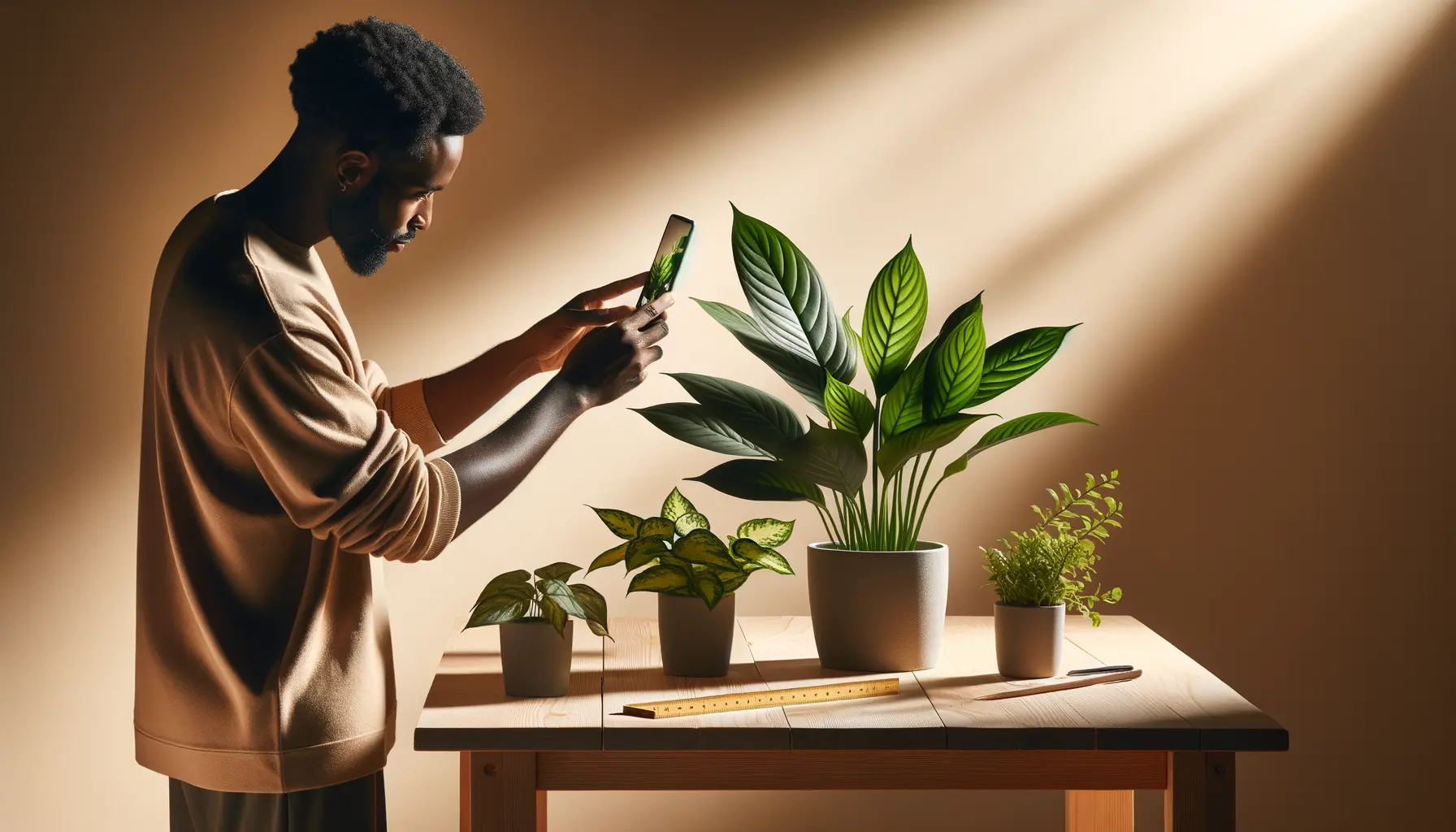
How to take one useful photo of your plant
One image cannot tell the whole story. Make the frame count, then use your note to supply the missing context.
Watering houseplants without a fixed schedule
The calendar can tell you when to look. The plant and its pot tell you what to check next.
Yellow leaves on houseplants: what to check first
Yellow is a useful observation. It is not a diagnosis.
How to find a workable light spot for a houseplant
A label like “bright indirect light” becomes useful when you compare it with the light in your room.
How to check a houseplant for visible pests
Look closely, record what you actually see, and identify the organism before choosing a response.
The method
A useful way to observe
- Lookat the pattern on the leaves and the plant as a whole.
- Checkthe pot and the growing spot around it.
- Notewhen the change began and what else shifted.
- Decideon one next observation or action.
Sources and limits
We link the horticultural and extension guidance behind practical claims. The right care depends on the plant and its conditions. Images and visible symptoms alone may not confirm an identity or cause.
Each guide ends with its own source list — see the photo guide’s sources for an example.
Have a plant question?